

Menu
Flaura Insights
Enterprise Tech

Redefining the Clinical Backbone with Modern Telemetry

We are thrilled to announce the rollout of our new Enterprise SaaS Subscription limits. Discover how dynamic resource allocation helps clinics optimize staffing while saving on overhead costs without reducing patient care quality

Share this
Key Takeaways
  • Optimized for rapid clinical decision making.
  • Evidence-based operational improvements.
  • Secure, compliant implementation advice.
Back to Insights Redefining the Clinical Backbone with Modern Telemetry cover


We are thrilled to announce a strategic shift in how we empower medical practices: the rollout of our new Enterprise SaaS Subscription limits, powered by real-time clinical telemetry. In the modern medical landscape, the "backbone" of a clinic is no longer just its staff—it is the data that informs how that staff is deployed.

For too long, clinic owners have had to guess their resource needs, leading to either overworked staff or wasted overhead. Flaura is changing that narrative by turning system telemetry into actionable business intelligence.


The Pulse of the Clinic: What is Telemetry?

In software engineering, telemetry is the automated process by which data is collected from remote points and transmitted to IT for monitoring. At Flaura, we have taken this concept and applied it to the clinical workflow.

By monitoring the "flow" of digital interactions—from the moment a patient checks in to the second a clinical note is finalized—we can identify the exact heartbeat of a medical practice. This isn't about surveillance; it's about optimization.

Dynamic Resource Allocation: Staffing for Reality

The core of our new Enterprise SaaS model is the use of dynamic resource allocation. Imagine a system that recognizes a 20% spike in patient intake on Monday mornings and automatically suggests shifting administrative resources to the front desk, or identifies a bottleneck in lab result processing before it delays a patient's care.

  • Optimizing Staffing: By analyzing telemetry data, clinics can see exactly when their "peak load" occurs. This allows for smarter shift scheduling, ensuring that the highest-skilled care givers are available exactly when patient volume is highest.

  • Saving on Overhead: Legacy EMRs often charge a flat, high rate regardless of usage. Our new subscription limits allow clinics to scale their software costs based on actual clinical activity, ensuring you never pay for "empty waiting rooms."

  • Maintaining Quality of Care: When the "backbone" of the clinic is supported by data, the "brain" (the doctors and nurses) can focus entirely on the patient. Telemetry ensures that the software is never the bottleneck.


The Engineering Behind the Efficiency

For our technical partners, the magic happens in the OpenTelemetry and Serilog layers of our Microsoft stack. By tracking request durations and database latencies, we ensure that as a clinic’s traffic grows, the system remains responsive.

  • Rate Limiting as a Feature: In our new SaaS model, we use sophisticated rate limiting not just for security, but to ensure "Fair Use" and stability across all tenants. This prevents one heavy user from impacting the performance of another, maintaining a "snappy" experience for every caregiver.

  • Reporting with Teleza: Our lightweight Teleza API takes this raw data and turns it into beautiful, easy-to-read performance reports for management, providing a clear view of the clinic's operational health.

A Leaner, Stronger Future

The medical industry is under immense pressure to do more with less. By redefining the clinical backbone with modern telemetry, Flaura provides a path forward that values both the bottom line and the human element of care.

We are not just providing an EMR; we are providing the digital nervous system for a smarter, more efficient practice.


Talk Through Enterprise Rollout Options

Connect with our team to discuss multi-site deployment, governance, and the commercial path that fits your organization.

Schedule a Consultation

F
Flaura

Enterprise Healthcare Technology

Writing about clinical workflows, regulatory compliance, and resilient software architecture for modern healthcare delivery.

Read Next

The Consent Bridge: Navigating the Privacy Paradox and Adolescent Autonomy

In 2026, navigating patient consent means balancing privacy, autonomy, and usability. While most patients claim to value privacy, many still choose insecure communication methods when secure portals are too complex—a contradiction known as the Privacy Paradox. For adolescents, the stakes are even higher: over 55% hesitate to share sensitive health info if parents have full portal access. Modern systems like Flaura address this with granular consent, segmented records, and automatic proxy revocation. True consent isn’t just compliance—it’s empowerment, transparency, and trust. Clinics must design workflows that protect vulnerable patients without adding friction.

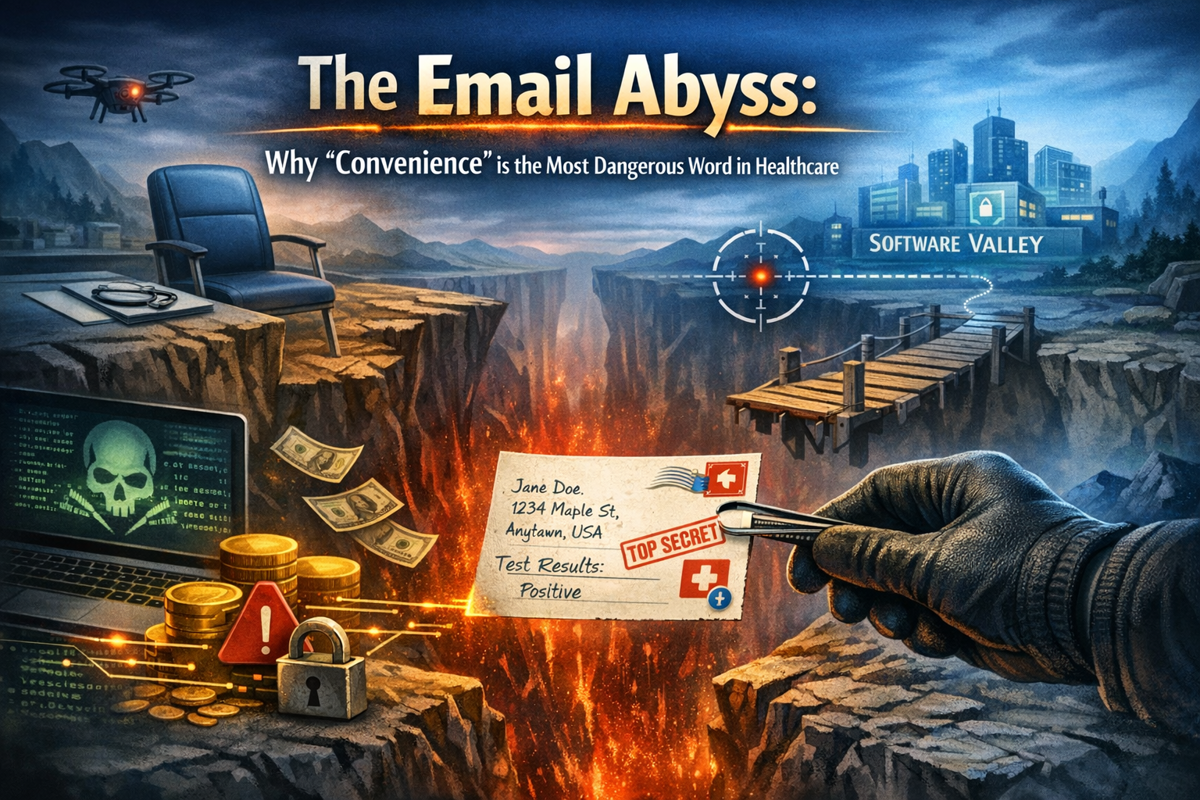
The Email Abyss: Why "Convenience" is the Most Dangerous Word in Healthcare

In the “Software Valley,” standard email looks like a convenient shortcut—but in healthcare it’s a dangerous abyss. Unencrypted emails are vulnerable to adversary-in-the-middle attacks, spoofing, and accidental misdelivery, leaving Protected Health Information exposed. Regulations like HIPAA, GDPR, and Zimbabwe’s Data Protection Act demand Business Associate Agreements and rapid breach reporting, yet consumer email providers rarely comply. Even small errors, like autocomplete mistakes, can trigger costly breaches and erode patient trust. With average breach costs exceeding $4.7 million, clinics cannot afford the risk. Flaura offers a secure portal pathway with zero-knowledge encryption, audit logs, and identity verification—bridging convenience and compliance while protecting both patients and reputation.

The Cost of the Empty Chair: Why Appointment No-Shows are Costing Your Clinic Thousands

Missed appointments may look minor, but for clinics they represent a hidden drain on revenue. With no-show rates averaging 5–10% and climbing to 20–30% in some specialties, the financial impact is staggering—up to $52,000 annually for a small practice, and billions across healthcare. Manual reminder calls are inconsistent and create friction, leaving patients less likely to reschedule. Automated, bidirectional reminders via text, email, or portal reduce no-shows by 30–40%, recovering hundreds of appointments each year. Flaura’s secure digital front door empowers patients to manage scheduling easily, reduces staff burden, and ensures every clinical hour is used effectively. For clinic owners, the ROI is clear: automation pays for itself quickly while protecting both revenue and patient trust.