
The Consent Bridge: Navigating the Privacy Paradox and Adolescent Autonomy
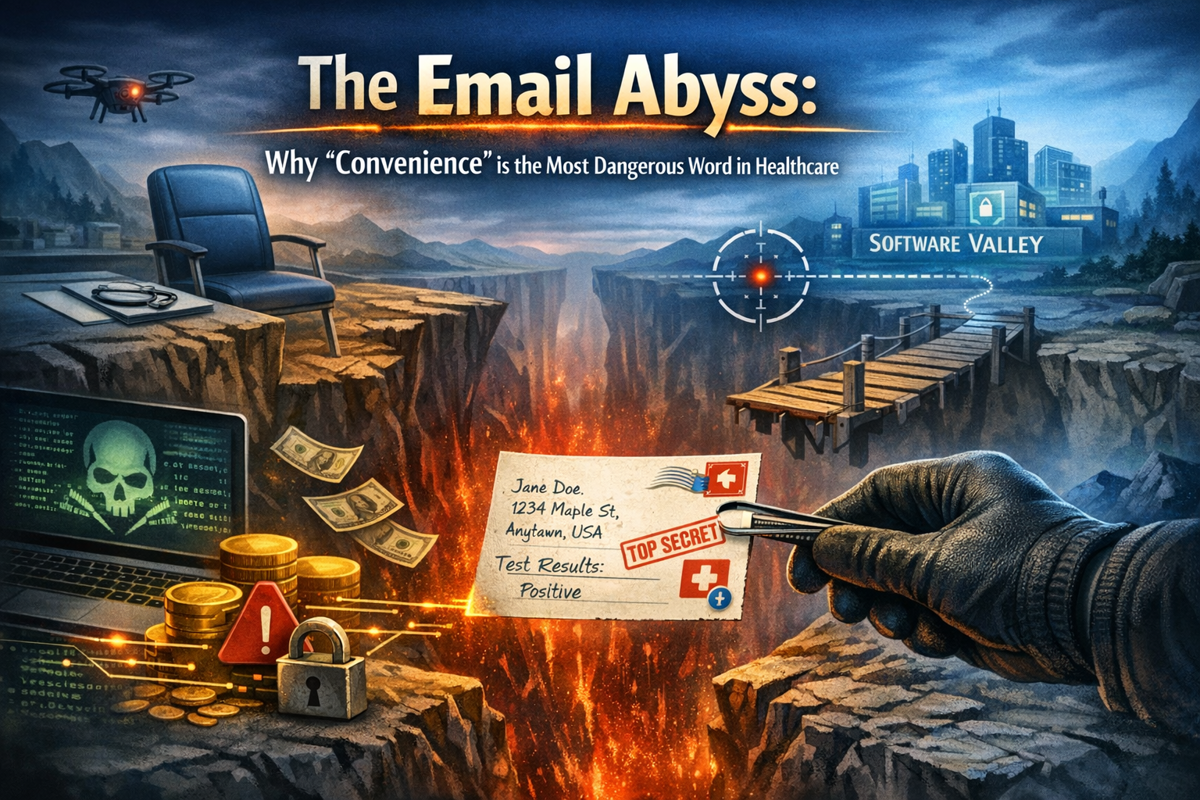
In Software Valley, the Consent Bridge is the only way to move from simple data storage to a true partnership with your patients. But this bridge is narrow, fragile, and often misunderstood. For clinicians, crossing it means navigating two of the most complex challenges in modern healthcare: the Privacy Paradox and the evolving rights of adolescent patients.
1. The Privacy Paradox: Convenience vs. Concern
In 2026, healthcare faces a strange contradiction. While 80% of patients express deep concern about the privacy of their health data, most still choose the easiest, least secure communication methods—like standard email or WhatsApp—when secure alternatives feel too cumbersome.
· The Risk: If your secure portal is hard to access, patients will bypass it. This friction invites the very breaches they fear.
· The Solution: Consent must be more than a checkbox or a 20-page legal document. It should be a clear, user-friendly interface that explains what’s happening with their data in plain language and empowers them to make informed choices.
2. The Invisible Patient: The Challenge of Adolescent Privacy
One of the most ethically complex areas in digital health is managing the transition from child to adult.
· The 55% Hesitation: Over half of adolescents say they would hesitate to share sensitive health information—especially about mental health, identity, or reproductive care—if they believed their parents had full access to their digital records.
· The Proxy Problem: Most EMRs grant parents full access to a child’s portal. But as children become “mature minors” (often starting at age 12 or 14, depending on jurisdiction), they gain legal rights to confidential care.
· The Danger: If a teenager knows their parent can see every lab result or clinical note, they may stop being honest with their doctor—or stop seeking care altogether.
A 15-year-old seeks mental health support
but fears her mother will see the notes. What would your system do?
3. Building a Better Bridge: Best Practices for 2026
Ethical digital communication requires granular consent, not blanket permissions.
· Segregated Records: Modern systems like Flaura are designed to segment sensitive information. This allows parents to manage logistics (appointments, prescriptions) without accessing confidential clinical notes.
· Automatic Revocation: At the age of majority—or the local age of consent—parental proxy access should be automatically reviewed or revoked, prompting a new consent conversation with the young adult.
· Privacy Literacy: Clinics must educate patients of all ages on managing their digital footprint, understanding their rights, and navigating consent settings.
4. Consent as Empowerment, Not Just Compliance
Getting consent right isn’t just about avoiding lawsuits—it’s about building trust.
· Transparency: Tell patients, “Your data is encrypted, and only these three people in our office can see it.”
· Agency: Make withdrawing consent as easy as giving it. Under both the GDPR and Zimbabwe’s Data Protection Act, the right to be forgotten and the right to control personal data are fundamental.
· Respecting Vulnerability: A one-size-fits-all portal risks silencing the very people who need your care the most—especially adolescents navigating sensitive health issues.
Are you protecting your most vulnerable patients?
The Consent Bridge is not just a legal requirement—it’s a moral one. When you design systems that respect autonomy, reduce friction, and prioritize transparency, you don’t just comply with the law. You earn your patients’ trust.
Want to learn how to build a consent-first, privacy-smart clinical workflow? Read our [Complete Guide to Digital Clinical Communication] to see how Flaura helps you cross the Consent Bridge with confidence.